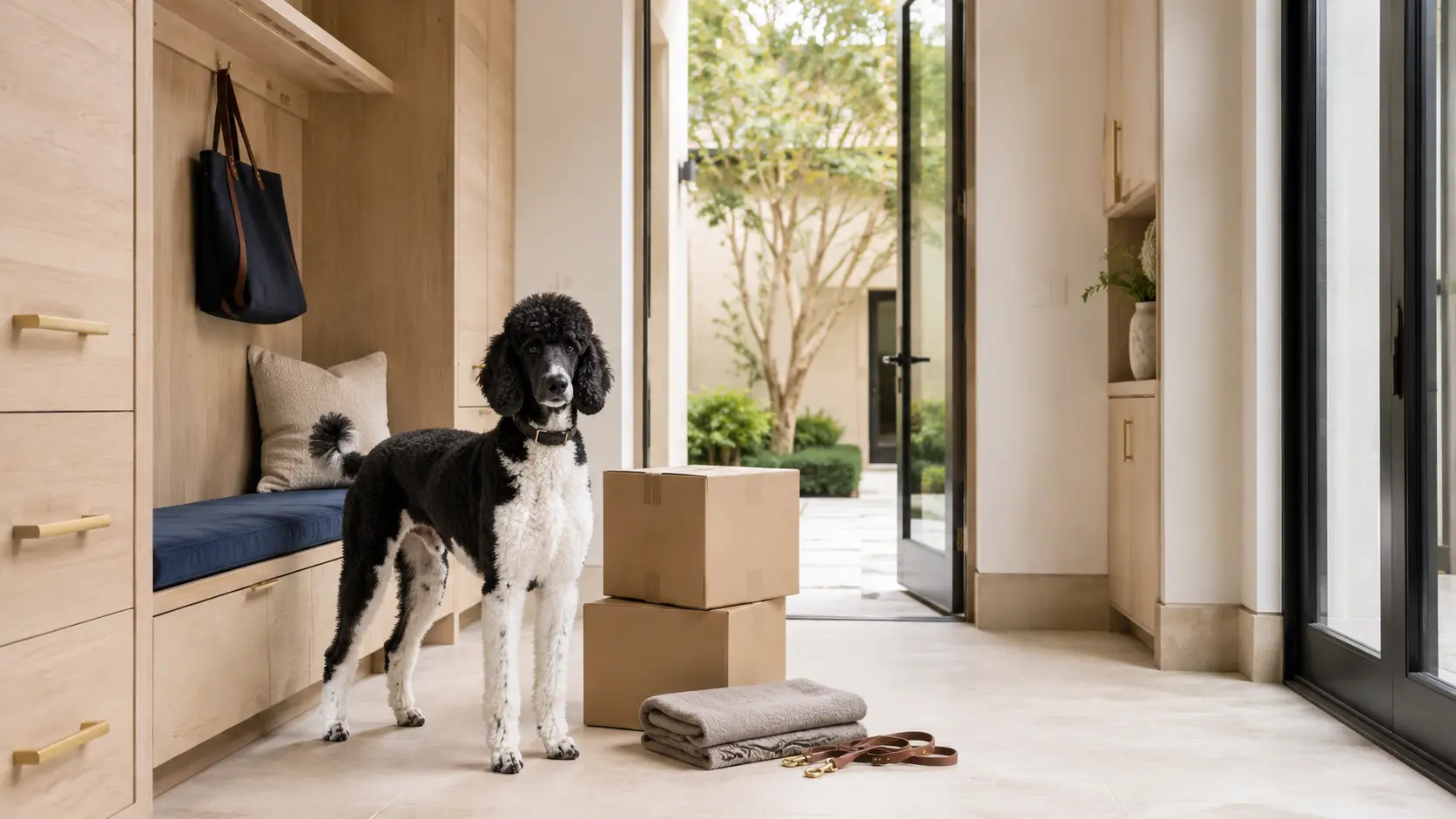
The PAWsome Advantage, Moving With Dogs
A smoother move starts with a plan for every member of the household.
From packing and showings to movers, open doors, travel, and the first night in a new home, this guide helps you protect your dog’s routine while keeping the real estate process moving forward.
Why moving feels different to a dog
The clues are everywhere before the dog understands what is happening.
Boxes appear, furniture moves, routines change, strangers enter the home, and familiar rooms begin to disappear. A thoughtful plan can reduce unnecessary stress and prevent avoidable safety problems.
Meals, walks, rest, and attention may happen at unusual times.
Doors, gates, trucks, and visitors create more opportunities to escape.
Movers, inspectors, cleaners, and contractors can increase stimulation.
The new home brings different sounds, smells, boundaries, and triggers.
The moving roadmap
Four phases. One calmer transition.
The goal is not to make every moment perfect. It is to reduce avoidable disruption, protect safety, and give the dog familiar anchors throughout the change.
Prepare
Update records, identify care options, protect routines, and introduce moving supplies gradually.
Pack
Keep one familiar zone intact while boxes, repairs, cleaners, and staging activity increase.
Move
Keep the dog away from open doors, loading activity, loud equipment, and preventable chaos.
Settle
Begin with a controlled space, familiar items, predictable meals, and short neighborhood exposure.
Interactive moving checklist
Choose the stage you are in now.
Use the tabs to focus on the decisions that matter most at each point in the move.
Prepare early
Make the dog-care plan before the calendar becomes crowded.
Early preparation gives you time to complete requirements, schedule care, and avoid making important decisions during moving week.
Confirm identification tags and microchip contact information.
Collect vaccine records, medications, veterinary contacts, and feeding instructions.
Complete Wag’n World enrollment and evaluation early if care may be needed.
Choose a secure travel setup, including crate, harness, seat restraint, or carrier.
Keep walks, meals, and rest periods as consistent as possible.
Research the new area’s veterinarian, emergency clinic, and everyday walking options.
Organize the essentials
Pack a dog bag that never goes on the moving truck.
Keep the items needed for travel, care, and the first few nights with you rather than inside a box that may be difficult to find.
Pack food, bowls, medication, waste bags, towels, and cleaning supplies.
Keep leash, harness, bedding, crate, and favorite comfort items accessible.
Confirm daycare or boarding reservations and review drop-off instructions.
Photograph the dog and save veterinary and emergency contacts on your phone.
Create a quiet room away from packing activity for breaks and meals.
Avoid changing food, treats, equipment, and routines during the same week.
Protect the dog from the busiest moment
Moving day is usually safer away from the move.
Daycare, boarding, a trusted caregiver, or a secure closed room can reduce exposure to open doors, heavy equipment, noise, and unfamiliar people.
Arrange care before movers, cleaners, or trucks arrive whenever possible.
If the dog remains onsite, use a clearly marked locked room or secure crate.
Do not allow the dog to roam while doors and gates are repeatedly opened.
Keep the dog’s essentials, records, medication, and food in your vehicle.
Inspect the new home and yard before allowing free access.
Walk the dog on leash through the new space before beginning exploration.
Build familiarity gradually
Start small before opening the entire home.
A controlled first area with familiar bedding, food, water, and smells can help the dog understand where to rest while the household gets organized.
Begin with one secure room or zone before expanding access.
Keep meals, walks, daycare, and bedtime close to the previous routine.
Inspect fences, gates, gaps, latches, plants, chemicals, and pool access.
Introduce new neighbors, dogs, routes, and sounds gradually.
Expect temporary changes in appetite, sleep, confidence, or bathroom habits.
Contact a veterinarian or qualified behavior professional when concerns persist.
Moving-day safety
The biggest risks are often simple and preventable.
Busy people, unfamiliar activity, open access points, and misplaced supplies create the most common moving-day concerns. A written plan is easier for everyone to follow.
Assign one person to know exactly where the dog is before any exterior door is opened.
Use current tags and contact information even when the dog is normally reliable indoors.
Transport the dog in a secure restraint or crate, never loose with boxes and equipment.
Check fencing, gates, gaps, debris, plants, standing water, chemicals, and escape routes first.
Carry essentials with you and avoid storing medication in a hot vehicle or moving truck.
Leave feeding, medication, contact, and handling directions with any caregiver.
Where Wag’n World may fit
Real estate support and dog care, planned together.
For enrolled and approved dogs, Wag’n World may provide a familiar, structured option during appointments, moving day, or a multi-day transition.
For the busy day
Useful during photography, inspections, closing appointments, movers, deliveries, or long home-tour schedules.
Explore daycare ↗For the complicated transition
A possible option when closing dates overlap, temporary housing is needed, or the move stretches across several days.
Explore boarding ↗For the fresh start
Schedule a bath, tidy-up, or grooming appointment around arrival, boarding, or the welcome-home celebration.
Explore grooming ↗The first week in the new home
Familiar routine first. Bigger adventures later.
The new home does not need to become fully accessible on day one. A gradual approach gives the dog time to learn exits, sounds, household movement, and safe resting places.
Create a home base
Set up bedding, food, water, crate, and familiar items in one quiet area.
Inspect before freedom
Review doors, windows, fencing, gates, chemicals, plants, pools, and hidden gaps.
Keep the calendar predictable
Return to familiar meal, walk, care, play, and bedtime patterns quickly.
Introduce the neighborhood slowly
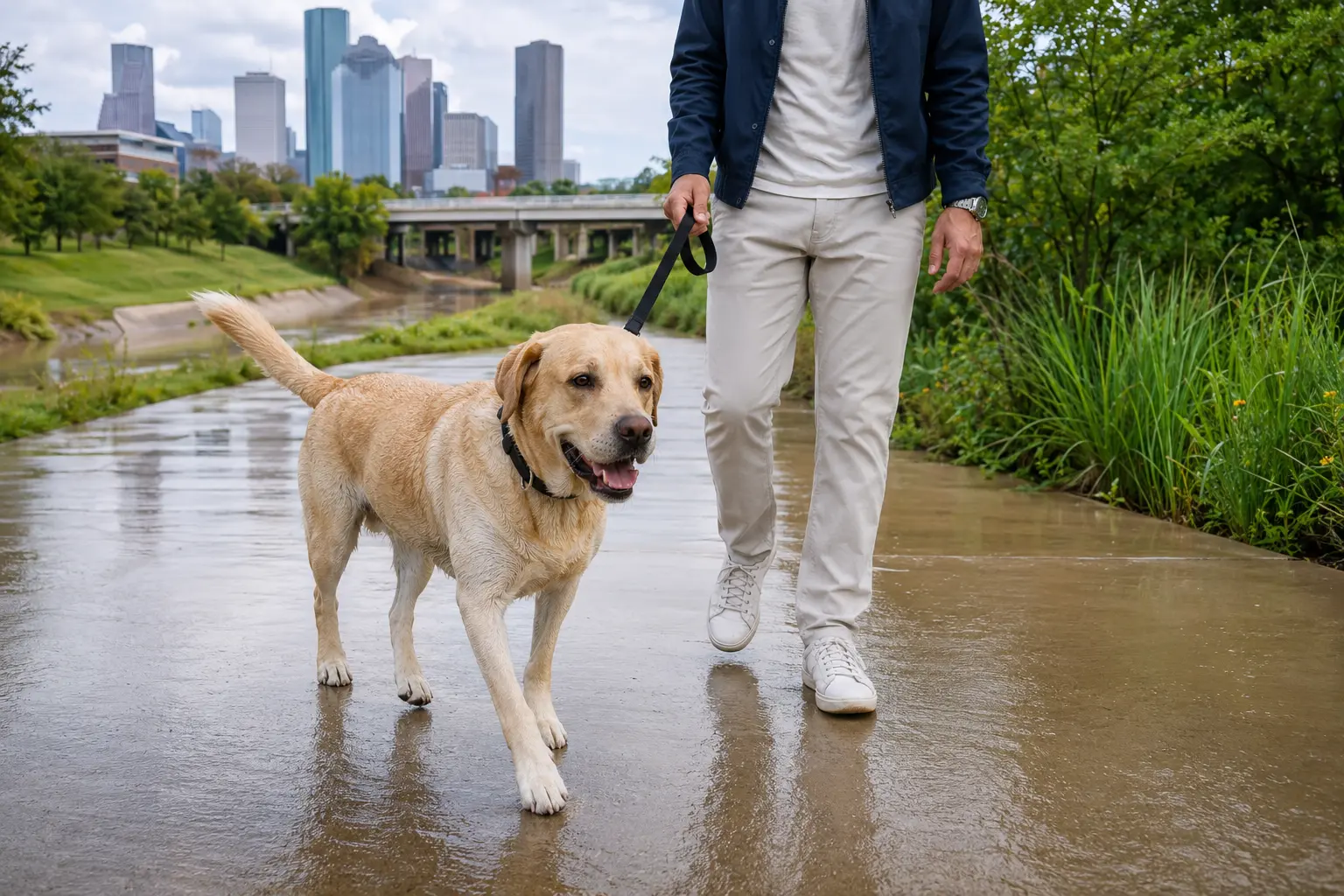
Begin with short walks and expand as the dog becomes more confident.
Continue the PAWsome Advantage
Resources for the property and the move.
Pet-Friendly Homes
Evaluate fencing, flooring, layout, outdoor space, restrictions, and everyday function.
Explore the property guide →Wag’n World Connection
See how dog care can support specific moments before, during, and after the transaction.
See the connection →Client Benefits
Explore BTDP and the support being designed for qualifying PAWsome Properties clients.
Explore client benefits →Planning a move?
Let’s build the real estate plan and the dog plan together.
Tell me what you are buying, selling, or coordinating, your timing, and what your dog may need during the transition.